Brewing beer remains one of the oldest professions of mankind, with new forms of beer being created like capturing sunlight in a bottle. Craft beer has made a mark in the beverage industry, gaining favor with the masses all over the world. It is not a surprise to see that craft beer quickly became a world phenomenon considering its unmatched taste and the advanced techniques used for brewing.
This article explores the fascinating world of craft beer, its true passion, and the art that goes into making it.
Craft Beer: A Cultural Movement
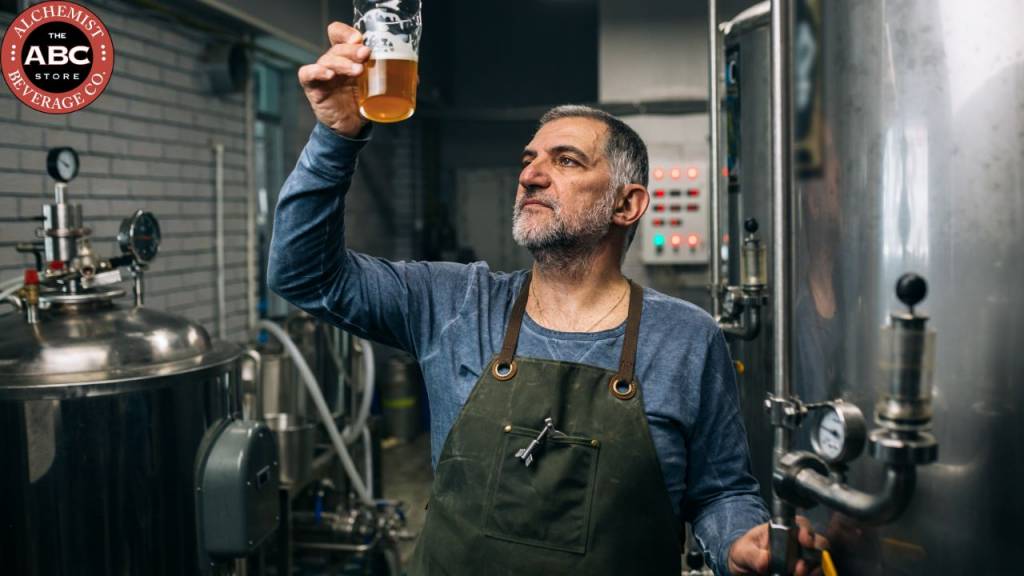
Craft beer is more than just a drink; it’s a celebration of creativity, innovation, and a love for finely crafted flavors. From small, independent breweries to bustling taprooms, the craft beer industry thrives on passion and craftsmanship. Each brew is a masterpiece, meticulously created using diverse ingredients to deliver a symphony of flavors.
Join us on a journey to uncover the craftsmanship behind a pint of craft beer, from hop varieties to barrel-aging techniques. Let’s explore the dedication that goes into every brew and celebrate the world of craft beer like never before.
The History of Craft Beer
The origins of craft beer trace back to ancient civilizations where brewing was both a practical and social activity. Early cultures, such as the Sumerians and Egyptians, fermented grains with natural sweeteners to create beverages that became staples of their diets. However, the modern craft beer movement emerged in the late 20th century, particularly in the United States.
In the 1970s, a wave of homebrewers sought to create distinctive beers that defied the uniformity of mass-produced lagers. Among the pioneers was New Albion Brewing Company, founded in 1976 in California. Often regarded as the first craft brewery in the U.S., New Albion prioritized quality, flavor, and innovation—values that still define craft beer today. By the 1990s, the movement gained significant momentum, culminating in the establishment of the Brewers Association, which continues to champion the interests of craft brewers.
The 21st century saw an explosion of craft breweries worldwide, fueled by social media and craft beer festivals. These platforms connected brewers with enthusiasts, fostering a vibrant community centered on shared experiences and bold flavors. Today, thousands of craft breweries contribute to an ever-expanding tapestry of styles, each showcasing the resilience and ingenuity of the brewing community.
What Sets Craft Beer Apart?
Craft beer stands out from mass-produced options in several ways:
1. Quality Ingredients
Craft brewers prioritize using high-quality, often locally sourced ingredients, resulting in richer and more complex flavors. These ingredients are carefully selected not just for their quality but for their unique contributions to the final product.
For example, specialty malts can add rich, toasty notes, while fresh, locally grown hops can introduce vibrant aromas and flavors that reflect the region’s terroir.
2. Innovative Techniques
Techniques like barrel aging and dry hopping enable craft brewers to experiment with processes that yield distinctive and creative brews. Barrel-aging often involves using barrels that once held wine or spirits, infusing the beer with subtle hints of oak, vanilla, or whiskey.
Dry hopping, where hops are added late in the brewing process, enhances the beer’s aroma and imparts bold, fresh hop flavors without excessive bitterness. These innovations allow craft brewers to push the boundaries of what beer can be.
3. Creativity and Variety
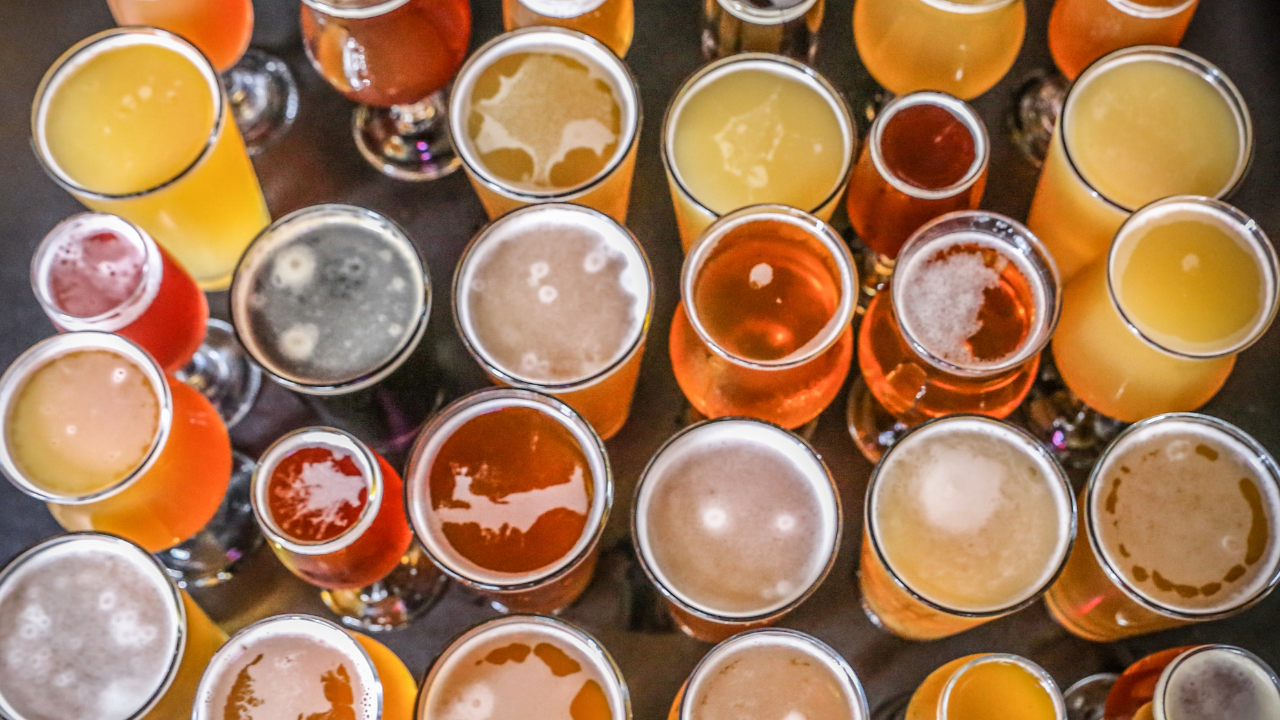
Unlike large-scale breweries, craft brewers embrace diversity by offering a wide range of styles tailored to different palates. From hazy, fruit-forward IPAs to rich and creamy stouts, craft breweries excel at catering to niche tastes.
Brewers often incorporate unexpected ingredients like herbs, spices, coffee, or even edible flowers to create unique flavor profiles, ensuring there’s a beer for every mood and occasion.
4. Community and Collaboration
Collaboration is a cornerstone of the craft beer culture. Brewers frequently team up to create unique beers, fostering camaraderie and driving innovation. These collaborations often celebrate shared values or local traditions, such as a small-town brewery teaming up with a local coffee roaster for a coffee stout.
Beyond the brewing process, craft beer is deeply tied to its community, with taprooms often serving as gathering spaces for events, charity drives, and cultural celebrations. This strong sense of connection sets craft beer apart from other beverage industries.
Craft beer is more than a beverage—it’s a celebration of artistry, innovation, and community spirit. Every pint tells a story of dedication and passion, making craft beer a true masterpiece in a glass.
How Craft Beer Differs from Wine and Liquor
While wine and liquor have long histories of craftsmanship, craft beer carves its own niche with a unique approach. Unlike wine, which primarily relies on grapes and a limited range of fermentation processes, craft beer offers endless possibilities with its diverse ingredients—malted grains, hops, yeast, and adjuncts like fruits or spices.
Liquor, on the other hand, involves distillation and higher alcohol content, focusing on potency rather than the intricate balance of flavors found in craft beer.
Craft beer’s lower alcohol content and carbonation make it more session-able, and its vast array of styles allows it to pair seamlessly with a broader range of foods. This versatility and accessibility set craft beer apart as a beverage for every occasion.
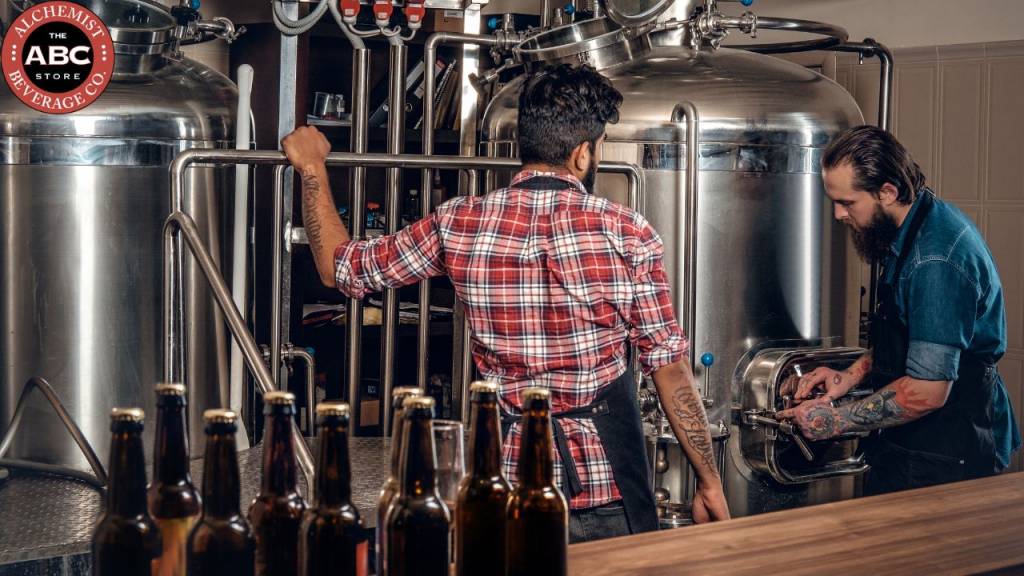
The Craft Beer Brewing Process
Crafting a delicious pint from simple ingredients is truly a combination of art and science. Understanding the brewing process is essential as every step adds meaning to the beer:
1. Careful Ingredient Selection
The process begins by carefully selecting what goes into the brew, starting from the malted grains to the hops, yeast, and even water. Each component is selected not only for its quality but for how well it aids the beer.
2. Mashing
In this step, the malted grains are mixed into hot water which starts a process called mashing. The goal here is to activate enzymes that convert starches into fermentable sugars. This results in a water-like substance called wort.
3. The Boil
Just like any other liquid, wort needs to be sanitized. During this step, the wort is boiled, which helps remove any bacteria. In addition, hops are also added at various points. Hops added too early will contribute to bitterness while adding them later will enhance the taste and aroma.
4. Fermentation
The last step in the mashing process is letting the wort cool down. After it reaches room temperature, it gets transferred into fermentation vessels where yeast is also added. The yeast converts the sugars into alcohol and carbon dioxide while adding some unique flavors.
5. Conditioning and Packaging
With the end of the brewing process comes packaging. After letting the beer undergo post-fermentation conditioning, it is sealed in bottles, cans, or kegs.
Using this method allows the flavors to develop and blend together resulting in an explosion of flavor.
Each step of this process reflects the brewer’s creativity, precision, and passion, culminating in a craft beer that’s as much a work of art as it is a drink.
Popular Craft Beer Styles
The craft beer world boasts an impressive variety of styles, including:
- IPAs (India Pale Ales): Known for bold hop flavors with citrus, pine, or floral notes. Substyles like New England IPAs feature a hazy appearance and juicy flavors.
- Stouts and Porters: Dark beers with roasted malt flavors. Stouts often showcase coffee or chocolate notes, while porters offer lighter, toasty profiles.
- Sours: Tart beers brewed with wild yeast or bacteria, offering complex fruity or earthy flavors.
Each style highlights the creativity and diversity of craft brewing, ensuring there’s something for every palate.

Craft Beer Festivals and Events
Craft beer festivals provide enthusiasts with the chance to:
- Sample a diverse array of beers.
- Learn about brewing techniques through workshops and seminars.
- Connect with brewers and fellow enthusiasts.
Many festivals also support local communities by partnering with charities, strengthening the bond between breweries and their neighborhoods. These events celebrate creativity and innovation, making them must-attend gatherings for craft beer lovers.
Craft Beer and Food Pairing
Pairing craft beer with food enhances both the dining and drinking experience. Some classic pairings include:
- Hoppy IPAs: Balance spicy dishes and enhance citrus flavors.
- Rich Stouts: Complement desserts featuring chocolate or coffee.
- Sour Beers: Cut through fatty or rich foods, refreshing the palate.
Chefs and brewers increasingly collaborate on pairing menus, showcasing the versatility of craft beer in elevating culinary experiences.
For those interested in exploring how other beverages pair with food, such as wine, this comprehensive guide to wine and food pairing offers additional insights to enrich your culinary adventures.
Trends and Innovations
Craft beer continues to evolve, with trends like:
- Low-Alcohol Beers: Sessionable options cater to health-conscious consumers.
- Unique Ingredients: Brewers experiment with fruits, spices, and herbs to create distinctive flavors.
- Sustainability: Many breweries adopt eco-friendly practices, from sourcing local ingredients to using sustainable packaging.
These trends reflect the industry’s commitment to innovation and responsibility.
Craft Beer Tourism
Craft beer tourism invites enthusiasts to explore breweries and taprooms worldwide. Destinations like Portland, Oregon, and Asheville, North Carolina, offer rich craft beer scenes. Brewery tours often include tastings, facility tours, and events, providing an immersive experience of the art of brewing.
Homebrewing: Crafting Your Beer
Homebrewing allows enthusiasts to experiment with flavors and techniques, fostering a deeper appreciation for craft beer. Many homebrewers join clubs to share tips, recipes, and experiences. The joy of creating and sharing a personalized brew makes homebrewing a rewarding pursuit.
The Future of Craft Beer
The craft beer industry’s future is bright, with continued innovation and sustainability at its core. As brewers push boundaries and embrace eco-friendly practices, the movement will thrive, inviting more enthusiasts to celebrate the artistry of craft beer.
Raise a glass to the creativity, community, and passion that define the world of craft beer!