The liquor industry is stepping into a thrilling new phase in 2025. With changing consumer preferences, innovative production methods, and a stronger focus on sustainability, the industry is evolving to meet the demands of a more health-conscious and environmentally aware audience.
Here are the key liquor trends shaping the future:
1. The “Less but Better” Movement and Premiumization
A major trend is the shift toward premium spirits as consumers adopt a “less but better” mindset. People are drinking less frequently but opting for higher-quality, flavor-rich choices. This is particularly evident in the tequila, whiskey, and rum categories, where ultra-premium and super-premium options are experiencing robust growth.
Sub-Trends in Premiumization:
- Tequila as a Premium Choice: Tequila has evolved from a party staple to a sophisticated sipping option, fueling demand for bottles priced above $30.
- Craftsmanship and Storytelling: Younger generations are investing in spirits with intricate craftsmanship, complex flavors, and compelling brand stories.
- Survey Insights: According to Bacardi’s 2024 survey, 41% of U.S. drinkers aged 21-44 plan to explore more premium spirits in the coming years.
2. The Surge of Tequila and Agave Spirits
Tequila’s popularity continues to climb, with 2025 poised to be another standout year for agave-based spirits. These spirits are loved for their diverse flavors, artisanal production techniques, and cultural significance.
Sub-Trends in Agave Spirits:
- Beyond Tequila: Lesser-known agave spirits like mezcal, raicilla, and sotol are gaining momentum.
- Sustainability and Artisanship: Eco-friendly and ethical production methods appeal to younger, socially conscious consumers.
3. Dominance of Low- and No-Alcohol Options
Health-conscious drinkers, particularly Millennials and Gen Z, are reshaping drinking habits. The low- and no-alcohol category is expanding rapidly, led by brands like Seedlip and Ritual. These products offer the complexity of traditional spirits without the alcohol, appealing to those prioritizing wellness and moderation.
Sub-Trends in Low-/No-Alcohol Options:
- Functional Ingredients: Alcohol-free spirits infused with adaptogens and botanicals are becoming increasingly popular.
Sober-Curious Movement: Alcohol-free social events and wellness-oriented alternatives are becoming mainstream.
4. Experiential Drinking Spaces and Cocktail Culture
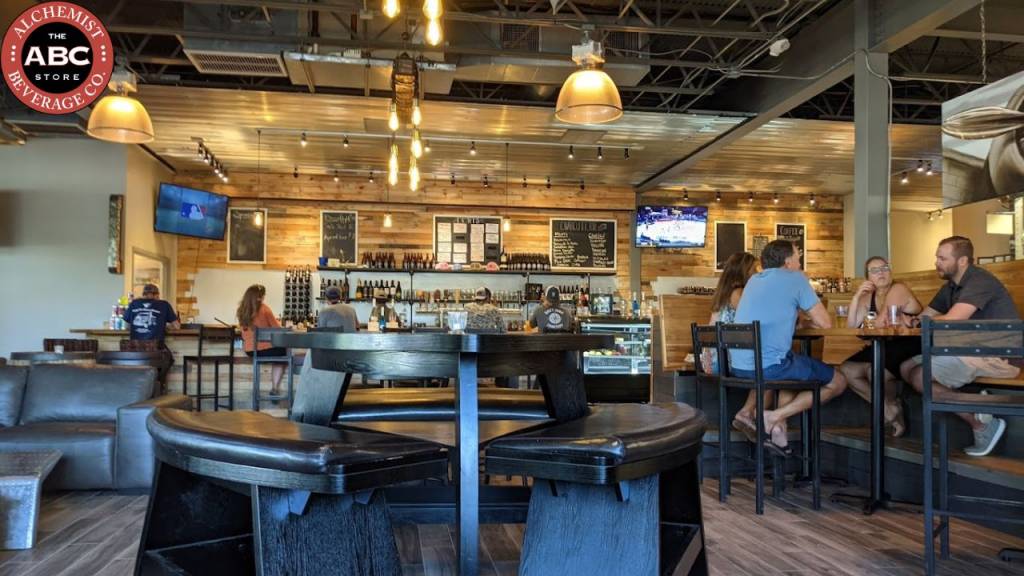
Cocktail culture is thriving, focusing on creativity and personalization. Venues like The ABC Store and Restaurant are redefining the experience by blending retail liquor shopping with dining. Guests can enjoy a curated selection of spirits, seasonal menus, outdoor seating, and live music, creating a vibrant space where ambiance meets flavor and community.
Sub-Trends in Cocktail Culture:
- Themed Experiences: Bars are becoming destinations, with unique themes and concepts.
- Home Mixology: Consumers are elevating their at-home drinking experience with premium mixers, garnishes, and advanced techniques.
5. Premiumization of Ready-to-Drink Cocktails
The ready-to-drink (RTD) cocktail market is undergoing a transformation, focusing on quality and innovation. Today’s RTDs prioritize premium ingredients and sophisticated flavors, often featuring high-end spirits like tequila, whiskey, and gin.
Sub-Trends in RTD Cocktails:
- Functional Additions: Adaptogens, nootropics, and CBD are being incorporated into RTDs.
- Sustainability: Many brands are using organic and sustainably sourced ingredients.
6. Sustainability as a Key Differentiator
Sustainability is no longer optional; it’s a priority. Consumers are demanding eco-friendly packaging, renewable energy use, and ethical sourcing. A report on Sustainability in the Beverage Industry revealed Innovative packaging, such as biodegradable and refillable containers, is becoming increasingly popular, while water conservation and renewable energy adoption are now standard for many beverage brands.
Sub-Trends in Sustainability:
- Consumer Awareness: There is a significant rise in demand for transparency, with more drinkers actively seeking brands that demonstrate clear sustainability practices.
- Carbon Neutral Initiatives: Leading brands are committing to carbon neutrality by investing in offsets and green technologies to reduce their environmental impact.
7. The Craft Distillery Boom and Botanical Innovation
The craft spirits movement continues to thrive, driven by small-batch distilleries emphasizing local ingredients, traditional techniques, and distinctive flavors. Experimentation with botanicals, spices, and indigenous ingredients is a key focus.
Sub-Trends in Craft Spirits:
- Botanical Diversification: Infused spirits are expanding beyond gin into categories like vodka and whiskey.
- Terroir-Driven Products: Spirits that showcase local ingredients appeal to consumers seeking authenticity.
8. Flavored Spirits and Culinary Exploration
Flavored spirits are growing in popularity, particularly among younger drinkers seeking new experiences. Distillers are experimenting with bold and unconventional flavors, from chili-infused tequilas to dessert-inspired vodkas.
Sub-Trends in Flavored Spirits:
- Creative Pairings: Unique sweet, savory, and spicy combinations enhance the drinking experience.
- Cocktail Synergy: Flavored spirits inspire creativity in at-home cocktail making.

9. Technological Advancements in the Liquor Industry
Technology is transforming the liquor industry, providing consumers with innovative ways to connect with brands. Augmented reality labels, personalized recommendations, and other advancements are enriching the drinking experience.
Sub-Trends in Technology:
- Data-Driven Insights: Brands use analytics to understand preferences and tailor offerings.
- Smart Devices and Apps: Tools for discovering recipes and drinks are growing in popularity.
- Interactive Marketing: Tech-driven campaigns make the shopping experience more engaging.
10. E-commerce and Personalization
E-commerce continues to revolutionize how people buy spirits, making it easier to discover niche products and exclusive deals. By 2025, brands will leverage AI and analytics for personalized shopping experiences.
Sub-Trends in E-commerce:
- Subscription Services: Monthly deliveries of curated spirits are becoming a favorite option.
- Virtual Tastings: Online events enable consumers to explore brands and products.
11. The Influence of Gen Z
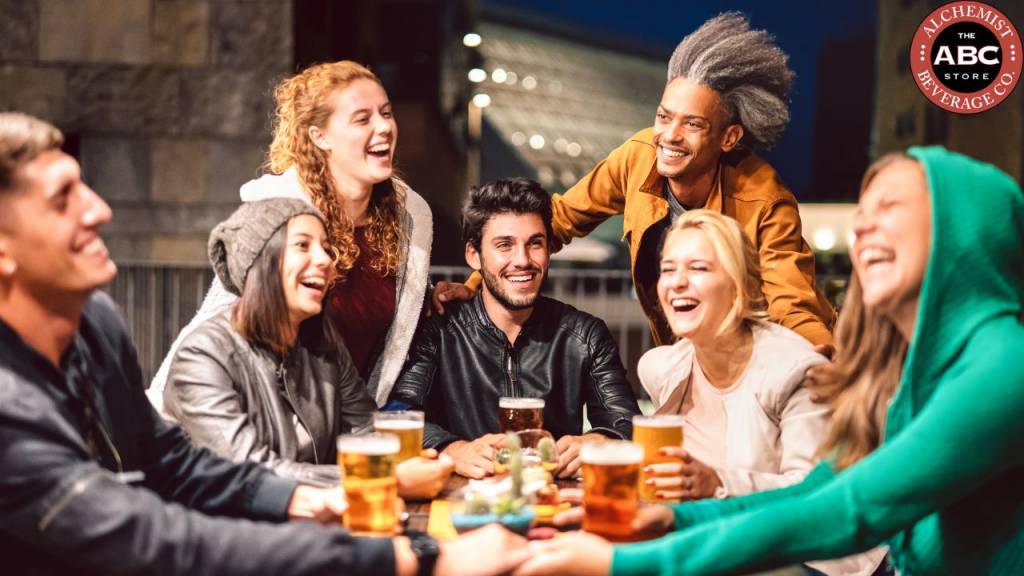
As Gen Z reaches the legal drinking age, their values are reshaping the liquor industry. This generation values health, sustainability, and premium experiences, favoring brands that align with their ethical and innovative lifestyles.
Sub-Trends in Gen Z Influence:
- Non-Alcoholic Appeal: Gen Z’s preference for moderation supports the growth of alcohol-free options.
- Ethical Branding: Transparent production and sustainability practices resonate with this demographic.
12. Global and Regional Trends
The liquor industry’s growth and trends vary across regions, offering unique insights into how preferences evolve worldwide.
Sub-Trends in Regional Trends:
- U.S.: Tequila’s dominance and innovative RTDs continue to drive growth.
- Latin America: Agave spirits are thriving, while local craft distilleries gain prominence.
- Europe: Sustainability and zero-alcohol options dominate, aligning with health-focused lifestyles.
- Asia: The rise of craft sake and premium soju reflects growing consumer sophistication.
Final Thoughts
The liquor industry in 2025 is on the cusp of a dynamic transformation, driven by trends like premiumization, sustainability, and technological integration. Whether you’re a casual drinker or a connoisseur, now is the perfect time to explore the exciting world of spirits.
With a focus on quality, authenticity, and innovation, the future promises diverse and enriching experiences tailored to a wide array of preferences and values.