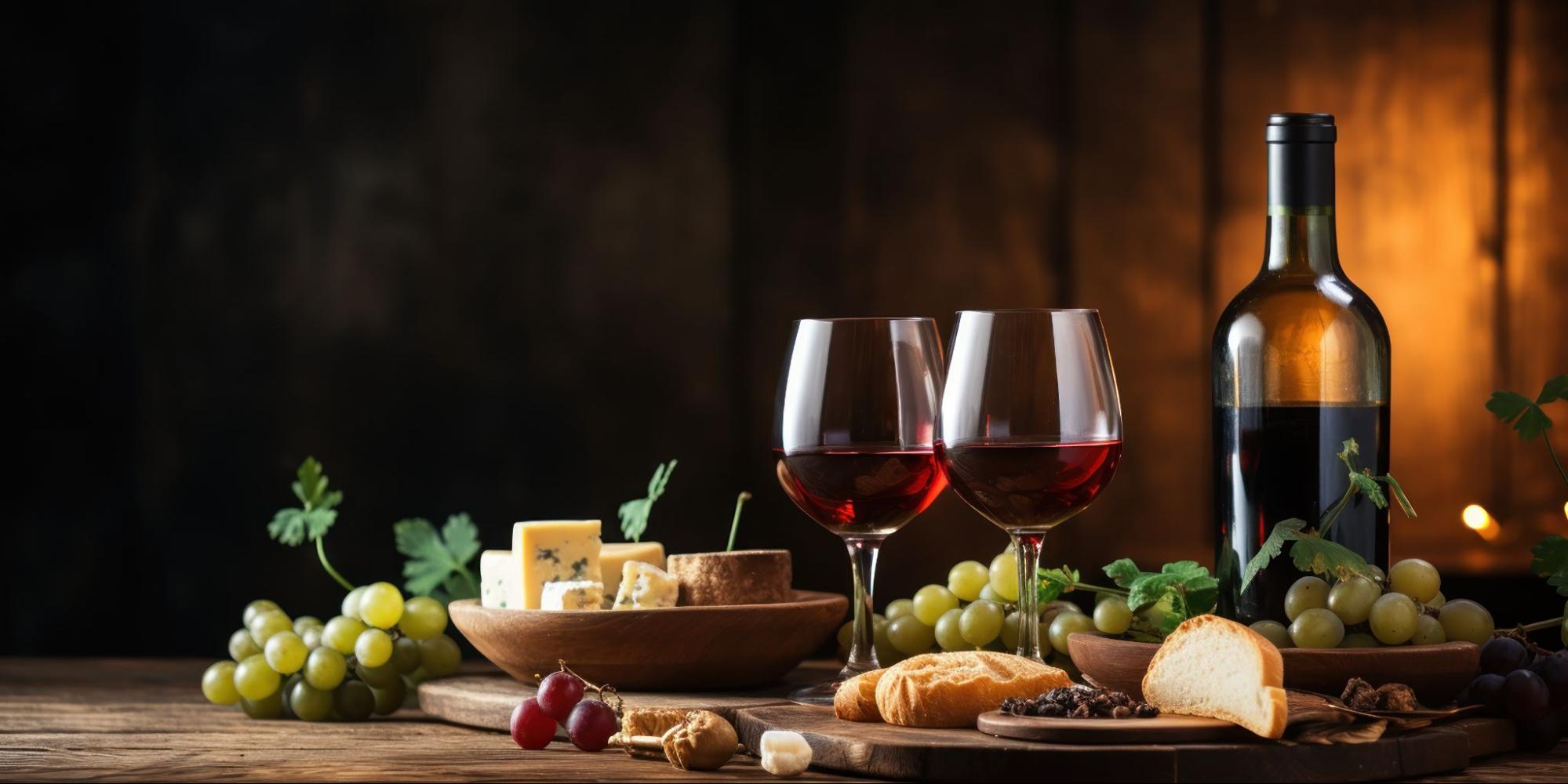
Wine and food pairing is an art that has been honed over centuries. The goal is to enhance both the wine and the food flavors, creating a harmonious dining experience. Whether you’re a seasoned connoisseur or just starting to explore, understanding the basics of wine and food pairing can elevate any meal.
The Principles of Wine and Food Pairing
At its core, wine and food pairing is about balancing the flavors, textures, and aromas of the wine and the dish. There are no strict rules, but certain principles can guide you to a better pairing.
1. Match the Intensity of the Wine and Food
A basic principle of pairing is to match the intensity of both the wine and the food. Rich, full-bodied wines like Cabernet Sauvignon pair well with hearty, flavorful dishes such as steak or grilled meats, while lighter wines like Pinot Grigio work best with delicate foods like seafood or salads.
2. Complementary and Contrasting Flavors
Pairing can either complement or contrast flavors. Complementary pairings work when the flavors of the wine mirror or enhance the flavors of the food. For example, a creamy brie goes well with a fruity Chardonnay because both share buttery notes. Contrasting pairings, on the other hand, bring together opposing elements, such as a sweet wine with spicy food. The sweetness of a Riesling can balance the heat in spicy Asian cuisine.
3. Consider the Components of the Dish
When pairing wine with food, think about the individual components of the dish. Consider the weight of the dish, the texture, acidity, sweetness, bitterness, and saltiness. Each of these elements plays a significant role in how the wine interacts with the food.
Understanding Different Types of Wine
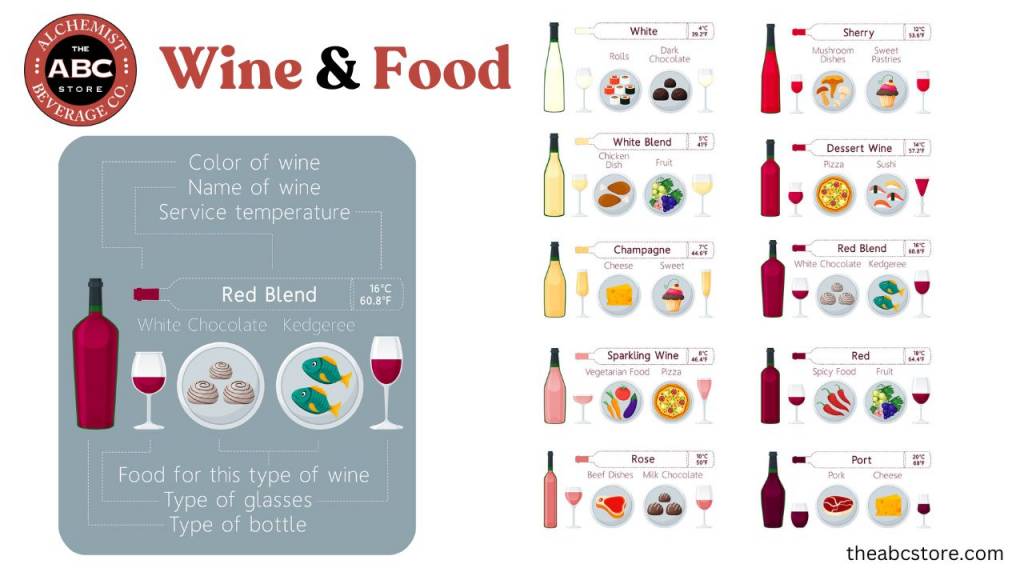
Before delving into specific pairings, it’s important to understand the different types of wine and their characteristics.
1. Red Wines
Red wines are typically fuller-bodied, with complex tannins and deep flavors that range from fruity to earthy. Common red wines include:
- Cabernet Sauvignon: Known for its bold, tannic structure and flavors of blackcurrant, plum, and tobacco. Pairs well with red meats, rich stews, and grilled vegetables.
- Pinot Noir: Lighter in body with flavors of cherry, raspberry, and earthy undertones. Pairs well with roasted chicken, pork, and dishes with mushrooms.
- Merlot: A smooth, fruit-forward wine with flavors of plum, black cherry, and chocolate. Pairs well with pasta, roasted meats, and grilled vegetables.
2. White Wines
White wines are generally lighter, with higher acidity, making them great for pairing with dishes that have bright, fresh flavors. Popular white wines include:
- Chardonnay: Known for its buttery richness and flavors of apple, pear, and citrus. Pairs well with lobster, crab, creamy pasta, and grilled chicken.
- Sauvignon Blanc: Crisp and zesty with flavors of green apple, citrus, and herbaceous notes. Pairs well with goat cheese, seafood, and fresh salads.
- Riesling: Often sweet, with notes of honey, peach, and citrus. Pairs beautifully with spicy dishes like Thai or Indian cuisine.
3. Sparkling Wines
Sparkling wines, like Champagne and Prosecco, are light and effervescent, making them incredibly versatile. The acidity and bubbles help cut through rich and fatty foods, making them ideal for pairing with fried foods, seafood, and soft cheeses.
4. Rosé Wines
Rosé wines can range from dry to sweet, and their flavor profile lies somewhere between red and white wines. They typically have notes of strawberry, melon, and citrus, making them perfect for pairing with a variety of dishes, from seafood and salads to grilled meats.
Classic Wine and Food Pairings
Here are some classic wine and food pairings to help you get started:
1. Red Wine and Red Meat
One of the most classic pairings is red wine with red meat. The tannins in red wine, particularly in bold wines like Cabernet Sauvignon, help to soften the richness of the meat. Pairing a steak with a Cabernet Sauvignon or a Merlot is a timeless choice.
2. White Wine and Seafood
The acidity in white wines complements the light, delicate flavors of seafood. A crisp Sauvignon Blanc pairs wonderfully with oysters or shellfish, while a full-bodied Chardonnay is ideal for rich, buttery lobster.
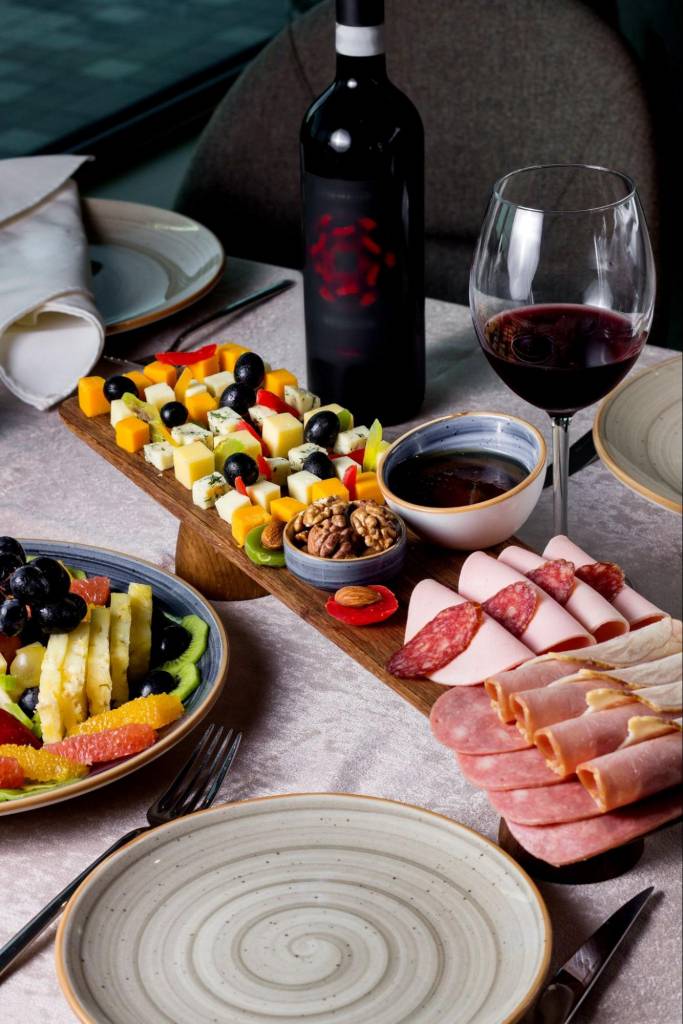
3. Cheese and Wine
Cheese and wine pairing is a tradition that goes hand in hand. A few key combinations include:
- Brie and Chardonnay: The creamy, buttery flavor of Brie pairs perfectly with the full-bodied richness of Chardonnay.
- Goat cheese and Sauvignon Blanc: The acidity and grassy notes of Sauvignon Blanc enhance the tangy flavors of goat cheese.
Blue Cheese and Port: The bold, pungent flavors of blue cheese work well with the rich, sweet character of Port.
4. Spicy Food and Sweet Wine
Spicy foods can be difficult to pair with wine because the heat tends to clash with the wine’s acidity. Sweet wines, like Riesling or Gewürztraminer, are ideal for pairing with spicy dishes, as the sweetness helps balance the heat and adds another layer of complexity to the meal.
Food and Wine Pairing by Cuisine
Different cuisines have different approaches to pairing wine with food, and regional traditions can offer a great guide for pairing.
1. Italian Cuisine
Italian dishes often feature-rich, hearty flavors, making them an excellent match for full-bodied reds. A classic Italian pairing is Chianti with pasta and tomato-based sauces, as the acidity of the wine complements the acidity of the tomatoes.
2. French Cuisine
French cuisine offers a wide range of wine and food pairings. For example, Bordeaux pairs wonderfully with French beef dishes, while Chablis is a great choice with delicate French fish dishes. Champagne is often served with appetizers, including caviar and smoked salmon.
3. Asian Cuisine
Asian food, especially dishes from India, Thailand, and China, often features bold, complex flavors. Sweet wines, such as Riesling or Gewürztraminer, work well with spicy or aromatic dishes, balancing the flavors and providing a refreshing contrast.
4. Mexican Cuisine
Mexican food, with its vibrant and spicy flavors, pairs wonderfully with wines with sweetness. Zinfandel or Malbec can complement the bold flavors of grilled meats, while sparkling wine can work well with lighter dishes such as ceviche.
Tips for Experimenting with Wine and Food Pairing
- Trust your palate: While guidelines and traditions are useful, the most important factor in pairing wine with food is personal preference. Experiment with different pairings and trust your own taste buds.
- Try regional pairings: Often, the best pairings come from the same region, as wines and foods evolve together. For example, a bottle of Burgundy wine pairs naturally with French dishes.
- Consider wine with dessert: Sweet wines like Port or Sauternes work well with rich desserts like chocolate or crème brûlée.
Wine and food pairing is an enjoyable, flexible practice that encourages exploration. Whether you’re pairing red wine with a juicy steak or a crisp white with a seafood platter, the key is to find balance and harmony. With a bit of knowledge and a willingness to experiment, you can create delicious pairings that will make every meal more memorable. The best part is, that there’s always something new to discover in the world of wine and food pairing! At Alchemist Beverage Company, we offer a wide selection of wines at our liquor stores, and our restaurant provides the perfect setting to try out these delicious food and wine pairings in person.