The rule "white wine with fish" is correct approximately 60% of the time. The other 40% — that's where Charleston's cuisine lives.
TLDR Summary For You
What this article answers: Specific wine pairings for shrimp and grits, she-crab soup, Lowcountry boil, grilled fish, oysters, and crab; the biochemistry behind acid-fat and tannin-protein interactions; the 20-minute…
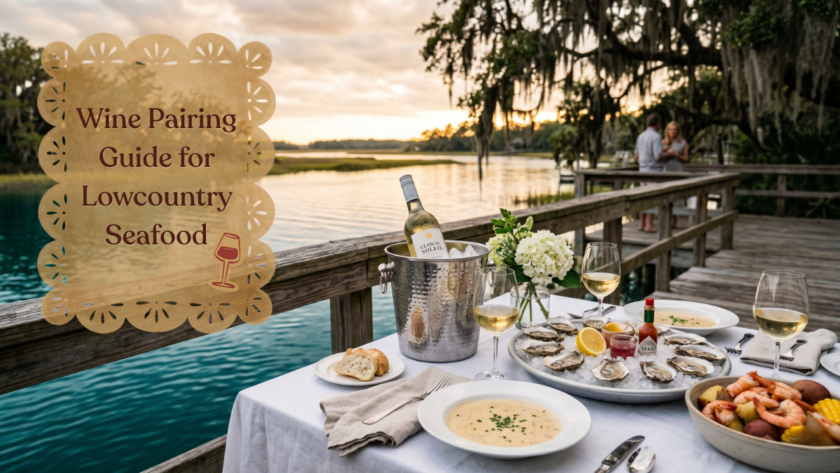
Table of Contents
You've just been prescribed a blood thinner, warfarin, Eliquis, Xarelto, or something similar, and now you're wondering if that glass of wine at dinner is off the table for good. It's one of the most common questions doctors get, and the answer isn't a simple yes or no.
This article breaks down…
Table of Contents
The relationship between red wine and cardiovascular health has been a subject of intense scientific debate since the 1990s. Often simplified by headlines as "heart-healthy," the medical reality is more nuanced, involving complex biochemistry, metabolic health, and lifestyle variables.
To determine whether wine offers genuine cardioprotective benefits, we must analyze the clinical…
Table of Contents
Most of us buy wine the same way we buy milk: one or two bottles at a time, when the mood strikes or dinner demands it. But there comes a moment, usually when you’re carrying six bottles out of the shop, when you wonder if buying by the case might just make…
Table of Contents
You are standing in the wine aisle, staring at shelves that look more like a library than a grocery section. Labels whisper words in foreign languages, show numbers you half recognize, and flash gold medals that may or may not mean anything. If wine labels feel like a secret code, you are…
Table of Contents
Wine is one of the few beverages that can genuinely improve with age, but only under the right conditions. While most wines are made to be consumed shortly after release, some bottles are meant to be tucked away, slowly evolving into something far more complex. This guide explores why wine is aged,…