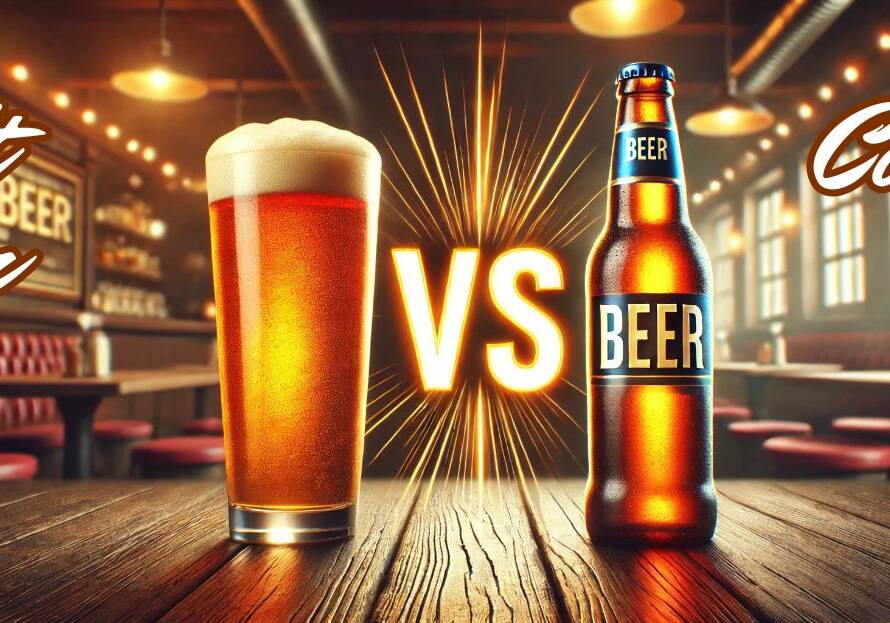
When it comes to beer freshness, packaging matters. Cans and bottles each protect beer differently from the enemies of freshness: light, oxygen, and temperature shifts.
In this blog, we’ll explore how light exposure, oxygen ingress, and storage practices impact beer quality, and whether cans or bottles truly keep your brew tasting better for longer.
Light Exposure and Skunking
Skunking happens when UV rays hit hop compounds, producing that unpleasant sulfur smell, often compared to skunk spray. Here’s how cans and bottles of beer compare:
Cans:
- 100% opaque, completely blocking out all light
- No risk of lightstruck flavor, even in bright environments
- Best protection for outdoor or open-shelf storage
Bottles:
- Brown bottles block most UV but still let some through
- Green and clear bottles offer little to no UV protection
- Higher risk of skunking if exposed to light, especially outdoors or near windows
Tip: If you’re buying bottled beer, store it in a dark place to avoid light damage.
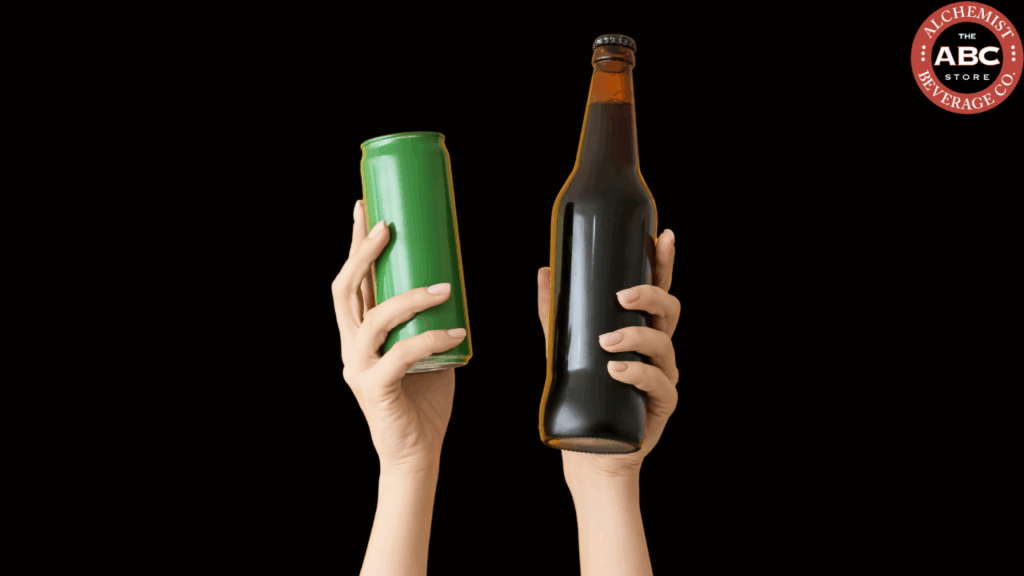
Oxygen and Shelf Life
Oxygen exposure gradually leads to staleness, giving beer a flat or “cardboard” taste. Here’s how both options stack up:
Cans:
- Tighter seals with little to no oxygen ingress
- Modern cans have inner linings to prevent metallic flavors
- Longer shelf life due to reduced oxidation
Bottles:
- More oxygen leaks over time, especially under caps
- Unlined glass doesn’t add flavor, but it can’t prevent oxygen exposure
- Shorter freshness window, particularly in warmer settings
Flavor Perception: Is It All in Your Head?
Some drinkers claim beer tastes better from a bottle, but studies say otherwise:
- A blind taste test showed no consistent flavor preference between bottles and cans
- Modern cans use polymer linings that block metallic transfer
- Flavor differences are often psychological rather than chemical
Enjoying the feel of glass in your hand? No problem. But if you’re choosing based on flavor integrity, cans hold up just as well, if not better.
Comparison Table: Cans vs. Bottles

Storage Tips for Maximum Freshness
Regardless of packaging, proper storage makes all the difference:
- Keep it cool, ideal storage is 45 to 55°F (7 to 13°C)
- Store in the dark, avoid direct sunlight, and indoor light exposure
- Keep upright, reduce oxygen contact, and keep seals intact
- Seal after opening, reseal bottles or growlers, or finish within hours
- First in, first out, drink older beers first, especially craft brews
Proper storage preserves flavor, extends shelf life, and ensures every sip tastes as the brewer intended.
Added Tip: Sustainability Consideration
- Cans are more recyclable and often made from higher-recycled-content aluminum
- Glass takes more energy to recycle and is heavier to transport
If environmental impact plays a role in your decision, cans may be the greener option.
Final Pour: What’s Best for Freshness?
At the end of the day, cans have a slight advantage in preserving beer freshness. Their lightproof aluminum walls and superior oxygen seals provide a strong defense against the factors that degrade beer over time.
However, how you store beer matters just as much as how it’s packaged.
Whether you prefer the ritual of popping a bottle cap or cracking open a can, make sure to:
- Store your beer cold
- Keep it out of the light
- Drink it before its expiration or best by date
Looking to explore fresh, quality brews? Alchemist Beverage Company offers a diverse collection of canned and bottled beers, from local craft picks to global classics. No matter your preference, you’ll find the perfect pour for any occasion.
Visit Alchemist Beverage Company and experience freshness the way it’s meant to be enjoyed.