Wine is often seen as a symbol of celebration and relaxation, but for those with diabetes, consuming alcohol requires careful consideration. Diabetes is a chronic condition that affects how the body processes glucose (sugar), and managing blood sugar levels is essential for preventing complications.
So, can people with diabetes drink wine safely? This article delves into the effects of wine on diabetes, how it can be incorporated into a diabetic-friendly diet, and important precautions to take when enjoying wine.
How Wine Affects Blood Sugar Levels
When consumed in moderation, wine can have various effects on people with diabetes, primarily due to its alcohol content. Understanding these effects is key to managing diabetes while enjoying wine responsibly.
1. Impact of Alcohol on Blood Sugar
Alcohol, including wine, affects blood sugar levels in different ways. In the short term, alcohol can cause a drop in blood sugar. This is because alcohol inhibits the liver’s ability to release glucose into the bloodstream, which can result in hypoglycemia (low blood sugar). This is particularly a concern for individuals taking insulin or other medications that lower blood sugar.
However, wine — especially dry varieties — generally has a low glycemic index (GI). This means it causes a slower rise in blood sugar compared to high-carb foods. Dry red and white wines contain fewer sugars than sweeter varieties, making them a better choice for those managing diabetes. Sweet wines, such as dessert wines, can cause a rapid increase in blood sugar due to their higher sugar content.
2. Calories in Wine and Weight Management
Maintaining a healthy weight is crucial for people with diabetes, as excess weight can exacerbate insulin resistance. Wine, like any other alcoholic beverage, contains calories. A standard 5-ounce serving of dry wine typically contains around 120-125 calories, which is relatively low compared to many cocktails and sugary drinks.
However, moderation is key, as frequent alcohol consumption can contribute to weight gain, potentially worsening diabetes symptoms.

Choosing the Right Wine for Diabetes
When selecting wine, it’s essential to consider both the type of wine and the amount consumed. Here are some tips on how to choose the best wine for managing diabetes:
1. Opt for Dry Wines
Dry wines, both red and white, are generally the best options for those with diabetes. They contain little to no added sugars, which helps avoid sudden spikes in blood sugar levels. Some great choices include:
- Red wines: Cabernet Sauvignon, Merlot, Pinot Noir, and Syrah.
- White wines: Chardonnay, Sauvignon Blanc, and Pinot Grigio.
These wines typically have a low glycemic index and will have a more gradual effect on blood sugar.
2. Avoid Sweet Wines
Sweet wines such as Moscato, Riesling, and dessert wines are high in sugar and can cause a rapid increase in blood sugar levels. For people with diabetes, it’s best to avoid these wines, especially if blood sugar levels are not well controlled.
3. Moderation is Key
Even with low-sugar options, moderation is crucial. The American Diabetes Association recommends limiting alcohol consumption to one drink per day for women and up to two drinks per day for men. One drink is defined as:
- 5 ounces of wine
- 12 ounces of beer
- 1.5 ounces of distilled spirits
Drinking too much can increase the risk of both hypoglycemia (low blood sugar) and hyperglycemia (high blood sugar), making it harder to manage diabetes.

How to Safely Enjoy Wine with Diabetes
To ensure that wine consumption does not negatively impact your blood sugar control, here are a few tips to follow:
1. Test Your Blood Sugar Before and After Drinking
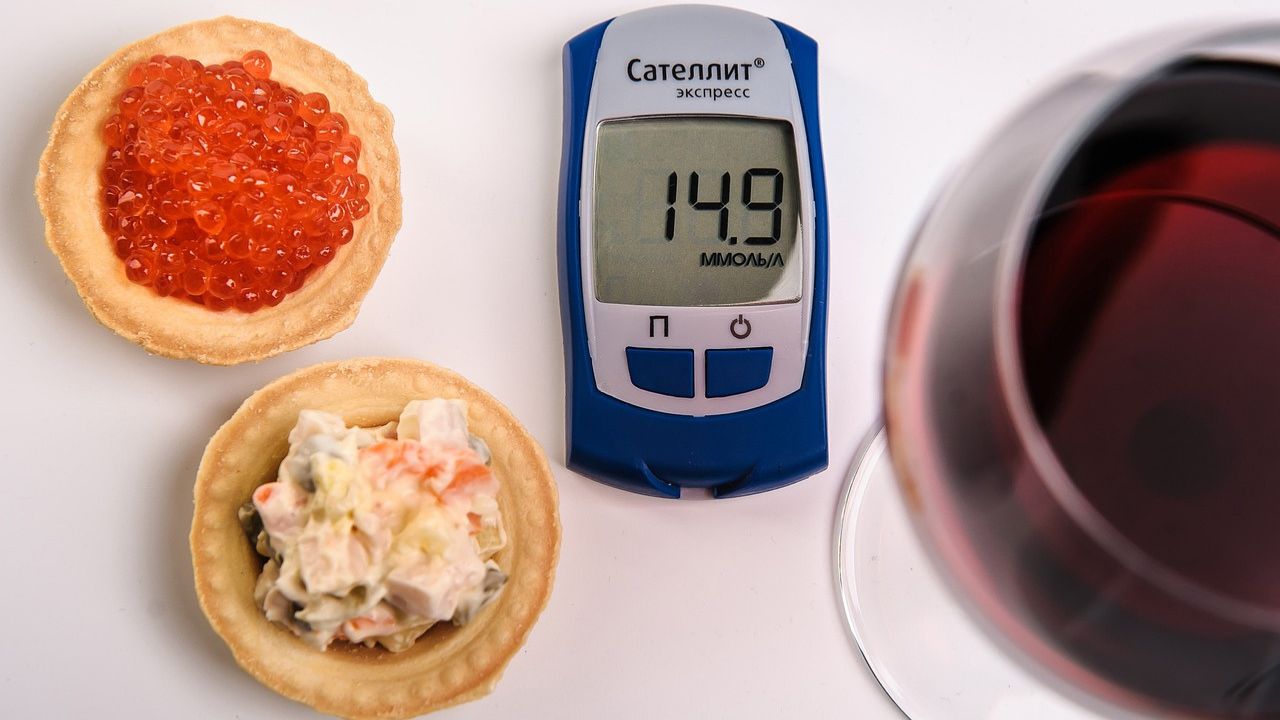
Monitoring your blood sugar levels before and after drinking wine can help you understand how your body responds to alcohol. This is especially important if you’re taking insulin or other medications that affect blood sugar levels. By keeping track of how alcohol affects your blood sugar, you can make adjustments to your diet and medication.
2. Drink Wine with Food
Consuming wine on an empty stomach can lead to a drop in blood sugar, as alcohol prevents the liver from releasing glucose into the bloodstream. To reduce this risk, always have wine paired with food, a meal, or a snack, ideally one that contains complex carbohydrates and protein. This helps stabilize blood sugar levels and reduces the chances of a sugar crash.
3. Stay Hydrated
Alcohol can lead to dehydration, which can exacerbate the symptoms of diabetes, including high blood sugar. For every glass of wine you consume, drink an equal amount of water to stay hydrated.
4. Avoid Binge Drinking
Binge drinking, defined as consuming excessive amounts of alcohol in a short period of time, can severely affect blood sugar control. It increases the risk of hypoglycemia and can cause long-term complications. It is vital to enjoy wine in moderation to avoid the negative consequences of excessive drinking.
Risks and Precautions for People with Diabetes
While moderate wine consumption can be part of a balanced diet for some individuals with diabetes, there are several risks and precautions to keep in mind.
1. Hypoglycemia Risk
For individuals using insulin or certain diabetes medications (like sulfonylureas), there is an increased risk of hypoglycemia. This is because alcohol can interfere with the liver’s ability to release glucose. To mitigate this risk, always have a snack or meal along with your wine, and monitor blood sugar levels closely.
2. Hyperglycemia Risk
If you are drinking sweet wines or consuming wine in excess, there’s a risk of hyperglycemia (high blood sugar). This can occur because alcohol, especially sweet varieties, raises blood sugar levels. Opting for dry wines and drinking in moderation can reduce the likelihood of this happening.
3. Interactions with Medications
Some medications used to manage diabetes, such as insulin or metformin, can interact with alcohol, potentially altering their effectiveness. Always consult your doctor before consuming alcohol, especially if you’re taking diabetes medication.
Conclusion
Wine can be enjoyed by people with diabetes, but it requires careful consideration. Dry wines, consumed in moderation, are generally the best choice, as they have a low glycemic index and minimal effect on blood sugar. However, it’s crucial to monitor blood sugar levels, avoid sweet wines, and ensure wine is consumed with food to mitigate the risk of hypoglycemia.
Always consult with your healthcare provider to make sure wine fits into your overall diabetes management plan. By following these guidelines, you can savor a glass of wine without compromising your health.