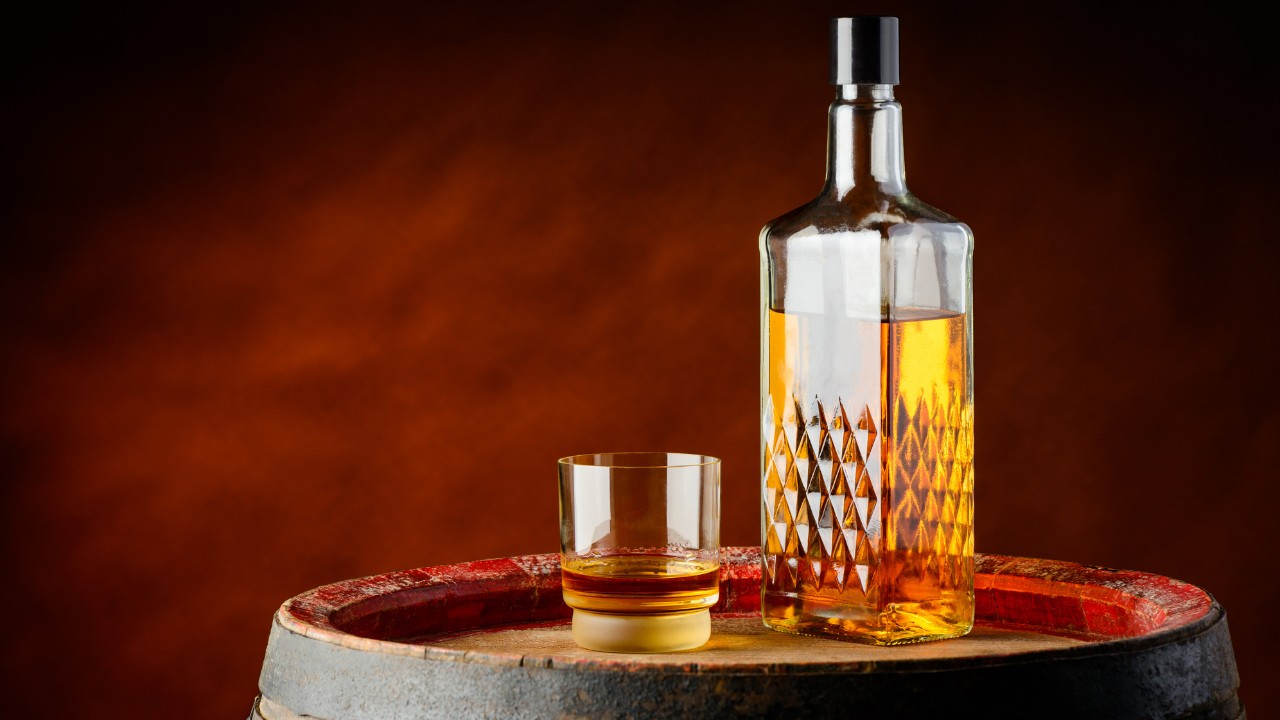
When you pour a glass of aged whiskey, rum, tequila, or brandy, you’re not just sipping a drink, you’re tasting time, wood, climate, and craft. The process of aging transforms a raw, fiery spirit into a smooth, flavorful expression of history and expertise.
This blog takes you on a deeper journey into how liquor is aged, why it matters, and what to look for when selecting a bottle at your local liquor store.
What Is Liquor Aging?
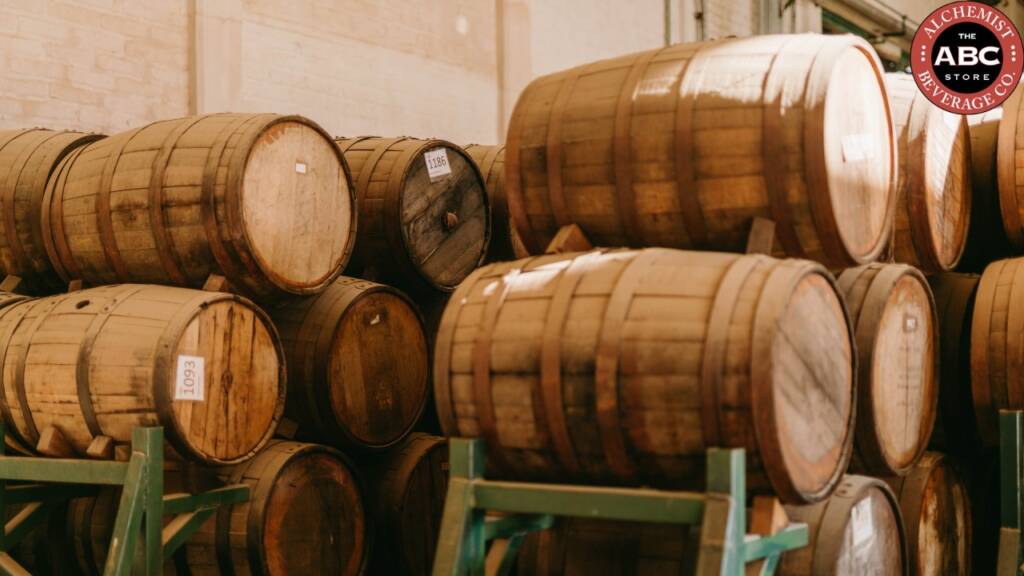
Liquor aging is the process of maturing distilled spirits in barrels, typically oak, for a specific duration. This isn’t just about storage. During aging, the spirit:
- Extracts compounds from the wood (like vanillin and tannins)
- Undergoes chemical reactions (oxidation, esterification, etc.)
- Evaporates and concentrates, giving rise to richer profiles
These transformations significantly impact color, aroma, taste, and mouthfeel.
Why Liquor Aging Matters
Aging is essential for elevating liquor quality. Here’s how:
1. Softens Harsh Notes
Newly distilled liquor is often aggressive. Aging helps mellow those edges, delivering a smoother sip.
2. Enhances Flavor Complexity
- Wood imparts flavors like caramel, vanilla, oak, spice, toast, and even coconut.
- Time allows for the development of secondary and tertiary notes—think dried fruits, tobacco, chocolate, or leather.
3. Refines Aroma and Texture
Well-aged spirits often smell more fragrant and feel more luxurious on the palate.
4. Visual Appeal
Over time, color deepens naturally as the spirit absorbs pigments from the barrel.
Looking to taste the difference? Browse aged selections in our Spirits Collection.
Curious how aged liquor fits into today’s evolving tastes? Don’t miss our breakdown of the top liquor trends for 2025 to see what’s influencing shelves and palates this year.

Types of Liquor Commonly Aged
1. Whiskey
Whiskey aging is iconic, and it’s often aged longer than other spirits:
- Bourbon: Minimum 2 years in new charred American oak barrels. Flavors: caramel, vanilla, toasted wood.
- Scotch: Aged in used bourbon or sherry barrels. Often carries age statements like 12, 15, or 18 years.
- Rye Whiskey: Spicier and often aged in similar barrels as bourbon.
Check out top picks in our Whiskey section.
2. Rum
Rum aging varies by region:
- Light rums: May be unaged or lightly aged, then filtered.
- Dark or aged rums: Rested in oak barrels for several years.
Tasting notes may include molasses, banana, tropical fruit, or baking spices.
3. Tequila
Tequila categories depend on aging:
- Blanco: Unaged or aged under 2 months.
- Reposado: 2–12 months in oak. Smooth with hints of spice or vanilla.
- Añejo: 1–3 years. Deep, rich, with flavors like chocolate and oak.
- Extra Añejo: Over 3 years, comparable in depth to aged whiskey or Cognac.
4. Brandy (and Cognac)
Aged brandy delivers flavors of dried fruits, nuts, and spice.
- Cognac uses specific French oak barrels and aging classifications:
- VS: 2+ years
- VSOP: 4+ years
- XO: 10+ years
Whether you’re exploring barrel-aged classics or modern sips, it’s worth noting how aging plays a role in today’s broader drink trends. If you’re interested in other evolving categories, our CBD drinks overview breaks down another fast-growing option on the shelves.
Key Factors That Impact Aging
Aging isn’t one-size-fits-all. Several factors influence how a liquor matures:
1. Barrel Type
- American Oak: Bold, vanilla, caramel, coconut notes
- French Oak: Subtle, tannic, spicy
2. Climate
- Warm climates (like Kentucky or the Caribbean) speed aging
- Cool climates allow for slower, more gradual development
3. Barrel Size
Smaller barrels = more wood contact = faster aging
4. Time
More isn’t always better. A 25-year-old whiskey might taste over-oaked if not managed correctly.
How to Read Aging Labels on Bottles
Understanding labels helps you choose confidently:
- Age Statement: Indicates the age of the youngest spirit in the bottle
- NAS (No Age Statement): Often blends with unknown minimum age
- Single Barrel / Cask Strength: Indicates premium aging, often unfiltered and full-flavored
Need help reading labels? Ask our staff during your next visit to The ABC Store at Mt. Pleasant.
Pairing Aged Liquor with the Right Occasion
- Celebration: Try aged tequila or bourbon with cigars
- Winter Nights: Sip a peaty Scotch or XO Cognac
- Gifting: A beautifully aged spirit never disappoints
Want to elevate your next dinner or celebration? Check out this guide on liquor pairings to match aged spirits with the perfect meal.
Barrel Aging in Action: Famous Aged Liquors
Want to explore top examples of aged spirits?
- Macallan 18 Year Old (Scotch): Known for sherry cask richness and complexity
- Elijah Craig Small Batch (Bourbon): Balanced, oak-driven profile
- Ron Diplomático Reserva Exclusiva (Rum): Venezuelan rum with toffee and fig notes
- Clase Azul Añejo (Tequila): Smooth, luxurious aged tequila
- Hennessy XO (Cognac): Deep fruit, spice, and oak complexity
Final Pour: Why Aging is Worth the Wait
From the charred interior of a bourbon barrel to the cool stone cellars aging French Cognac, the journey of liquor from barrel to bottle is one of transformation. It’s about refinement, patience, and deepening flavor.
Whether you’re a collector or a casual drinker, understanding aging helps you enjoy every sip more intentionally. At Alchemist Beverage Company, we proudly offer a curated selection of aged spirits that reflect this tradition, from everyday favorites to rare finds.
Let your next bottle be a journey worth taking.