Wine is one of the few beverages that can genuinely improve with age, but only under the right conditions. While most wines are made to be consumed shortly after release, some bottles are meant to be tucked away, slowly evolving into something far more complex. This guide explores why wine is aged, what changes occur over time, and what factors influence the aging process.
Why Age Wine?
Aging wine is all about developing complexity and harmony. Young wines typically highlight bold primary flavors like fresh fruit or floral notes. Over time, those elements evolve. Acids and alcohols in the wine react, forming new aromatic compounds. These chemical reactions gradually create tertiary flavors—notes like dried fruit, nuts, or earthy tones—that weren’t present in the youthful wine.
The result? A wine that becomes smoother, rounder, and more nuanced, offering an experience that only time can create.

Flavor and Aroma Evolution
In its youth, a wine may burst with flavors like citrus, plum, or herbs. As it ages, those vibrant notes mellow, replaced by more layered and developed scents. For example:
- A young Sauvignon Blanc might transition from grassy citrus to honey or hay.
- A robust red may develop tobacco or leather nuances.
- A Riesling could take on petrol or toasted notes.
These shifts happen as hundreds of compounds interact and transform over time, often aided by small amounts of oxygen that slowly enter through the cork.
While flavor profiles deepen with age, sweetness levels can also shift. If you’re watching your sugar intake, check out our article on wine and diabetes to make more informed choices.
Texture Changes Over Time
Aged wines don’t just taste different—they feel different too. Young red wines can be astringent due to tannins. Over time, those tannins polymerize (bind together), forming sediment and resulting in a smoother mouthfeel.
- A youthful Cabernet might feel “bitey.”
- After aging, it becomes velvety and rounded.
Even white wines, despite lacking tannins, can become creamier or more textured due to evolving compounds and concentration from slight moisture loss.
Color Changes with Age
Visual changes offer clues to a wine’s age:
- Red Wines: Shift from purple or ruby to brick-red or brown.
- White Wines: Evolve from pale yellow or greenish hues to gold or amber.
- Rosé Wines: Fade from bright pink to a soft orange tone.
Color is not a definitive marker of quality, but it’s a helpful signal of a wine’s stage in its aging journey.
Factors That Influence Wine Aging
Not every wine is meant to age. The ability to improve over time depends on several core attributes:
- Tannins: Act as a preservative and structure builder. High-tannin reds like Cabernet Sauvignon and Barolo are often age-worthy.
- Acidity: Helps preserve freshness and prevent oxidation. High-acid wines (like Riesling or cool-climate Chardonnays) age gracefully.
- Oxygen Exposure: Minimal oxygen allows wines to develop complexity. Too much exposure can spoil the wine.
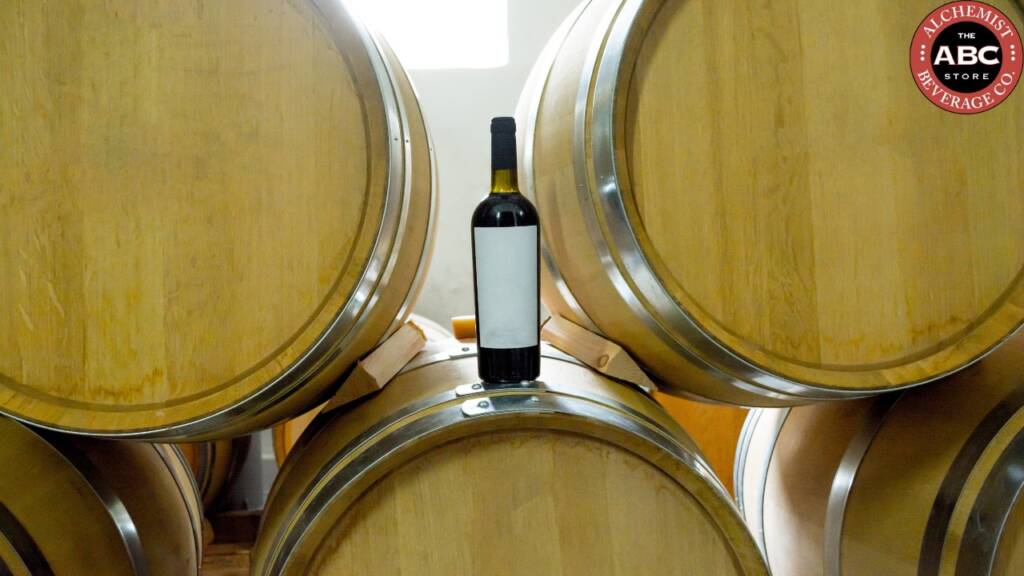
- Storage Conditions: Proper aging requires cool (around 55°F), dark, stable environments with moderate humidity. Avoid light, vibration, and temperature swings.
Which Wines Age Best?
Some styles are better suited for aging:
- Full-Bodied Red Wines: Cabernet Sauvignon, Barolo, Bordeaux blends, Syrah/Shiraz.
- High-Acid or Aromatic Whites: Riesling, Chenin Blanc, Chardonnay (especially oak-aged), and vintage Champagne.
- Sweet Wines: Sauternes, Eiswein, Tokaji. High sugar and acid make them long-lasting.
On the flip side, most rosés, light reds, and simple whites are best enjoyed young.
Storing Wine for Long-Term Aging
A proper storage environment is essential for wine to age well:
- Temperature: Keep it steady at around 55°F (13°C).
- Humidity: Around 70% to maintain cork integrity.
- Darkness: Avoid UV light.
- Stability: No shaking or frequent handling.
Wine refrigerators or cellars are ideal. Lay bottles on their sides to keep corks moist, and keep storage conditions consistent.
Embracing Aged Wines with Confidence
Aging wine is a beautiful blend of science and tradition—one that rewards patience with complexity and depth. Whether you’re expanding your palate or curating a personal cellar, understanding how wine matures helps you make informed choices.
At Alchemist Beverage Company, we celebrate that transformation. Our selection includes thoughtfully cellared wines that have been aged under ideal conditions to bring out their full character. From robust reds to refined whites, we invite you to explore the timeless pleasure of well-aged wine.
Whether you’re shopping for a special occasion or building a collection, start your journey with a bottle that tells a story—a story only time can craft.